
Posting every day won't save a bad strategy
Consistency matters, but only after you know your audience, message and next action. Build a useful social media strategy before filling a calendar.
01
The content calendar trap
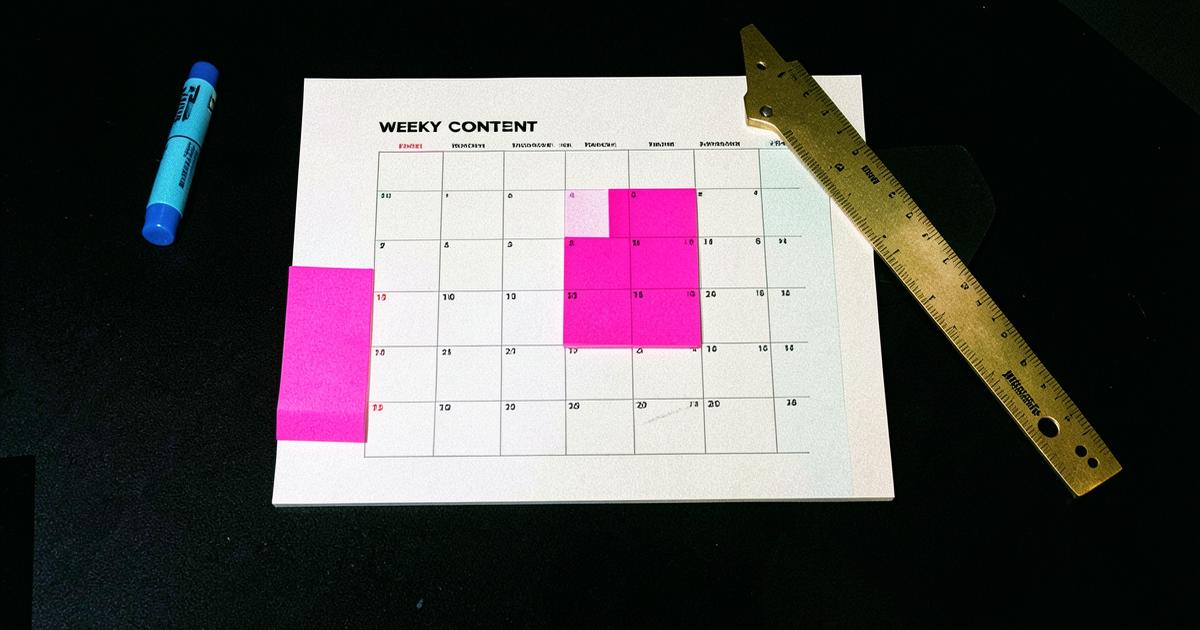
A full calendar can look like a strategy because it is organized, visible and easy to measure. But deciding to post five times a week only answers how often you will publish. It says nothing about who needs the message, why they should care or what the content should help them do next.
That gap is why teams can stay busy without building momentum. They brainstorm formats, chase trending audio and fill empty dates, then wonder why the account feels disconnected from the business. Frequency can amplify a clear idea. It cannot create one.
02
Answer three questions before you post
Start by defining a specific audience. “Everyone” is not useful. Name the customer, the situation they are in and the problem already on their mind. Next, choose the one idea you want that person to remember about your brand. Finally, decide on the next sensible action: save the advice, visit a menu, request a quote, join a list or simply recognize your name later.
These answers become a filter. A post belongs on the calendar only when it speaks to that audience, reinforces that idea or moves the reader toward that action.
- Audience: Who exactly needs this message right now?
- Memory: What single idea should stick after they scroll?
- Action: What is the natural next step for this post?
03
Turn strategy into repeatable content
Once the foundation is clear, build three or four recurring content lanes. A restaurant might use product appetite, behind-the-scenes trust, local personality and reasons to visit. A professional service firm might use education, proof, perspective and process. The exact lanes change; the principle does not.
Give every lane a job and rotate through them. That creates variety without randomness. It also makes production easier because the team is no longer starting from a blank page every morning.
04
A simple plan for this week
Pull your last ten posts and label the audience, key message and intended action for each one. If those labels are difficult to write, the content was probably unclear too. Keep the posts with a defined job, revise the almost-there ideas and stop repeating formats that exist only to maintain a posting streak.
Then plan the next week around one business priority. A smaller calendar built around a real goal will usually do more than a crowded calendar built around obligation. Post with intent first. Add frequency only when the system can support it well.