How a vertical video cut became a campaign
A useful campaign starts before the camera rolls. See how vertical-first planning turns one production into a flexible library of social assets.
01
Plan the edit before the shot list
The expensive way to make social content is to shoot a beautiful general-purpose video and hope it can be chopped into posts later. The useful way is to decide what the campaign needs before production begins: opening hooks, vertical compositions, product moments, transitions, reactions and clean endings for different placements.
For our Salt collaboration work, that meant treating the vertical cut as a primary deliverable rather than a leftover crop. Every planned shot had to earn its place in a fast, feed-first sequence.
02
Vertical-first is more than a crop
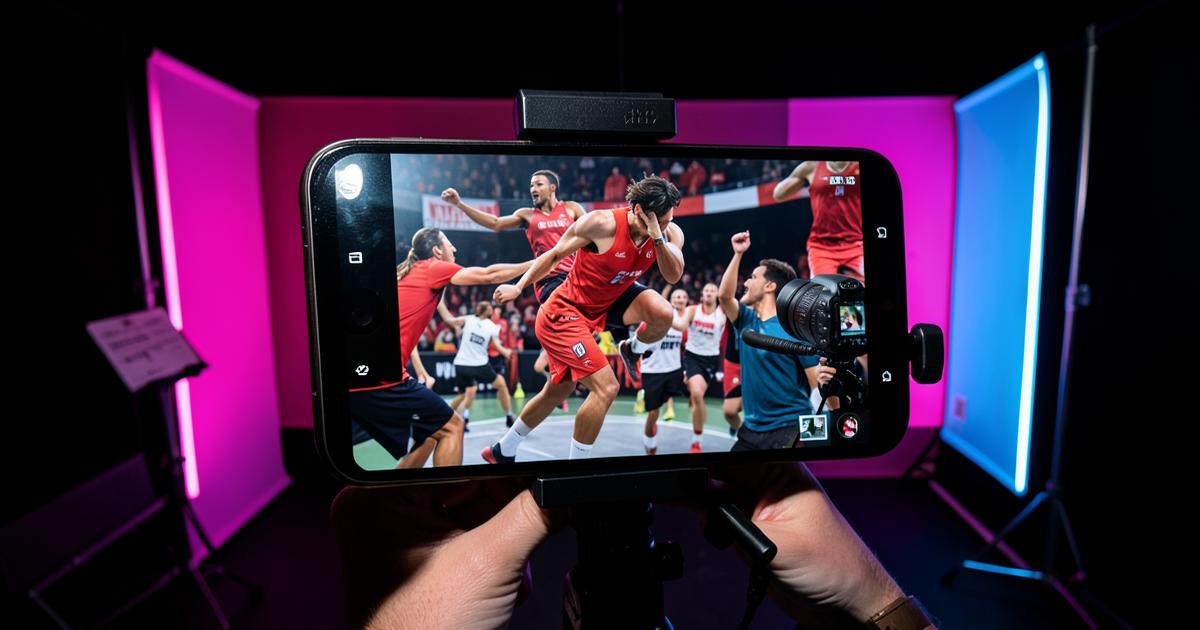
A horizontal frame can hold several subjects and a wide environment. A vertical frame asks the eye to focus. Faces, movement and products need to be positioned for the tall composition from the start. Important action cannot live at the far edges and captions need room without covering the story.
Shooting with the final frame in mind produces stronger source material and fewer compromises in editing. It also lets the camera operator capture alternate close, medium and wide versions while the scene is already set.
03
Build hooks into the production
A hook is not always a line of copy. It can be sudden movement, an unexpected angle, a clear result, a face entering frame or a visual question that makes the next beat feel necessary. The first moment should give viewers a reason not to scroll without resorting to noise that has nothing to do with the brand.
We plan multiple openings because one concept can support several cuts. A product reveal may lead one version, while a human reaction or high-energy movement leads another. That gives the campaign room to learn once it is live.
04
Think in a library, not a single post
One production day can support a hero edit, shorter variations, story frames, still images, behind-the-scenes moments and detail shots when those needs are defined in advance. The goal is not to create dozens of nearly identical files. It is to capture enough intentional material to tell the campaign story at different lengths and stages.
Before your next shoot, list every channel, format and action the campaign needs. Then map the shots required to support them. That preparation makes the day more efficient and the final content more connected.