
Your brand is what people say when you leave the room
A logo identifies the business. A brand is the reputation built by every interaction, decision and detail customers experience.
01
A logo is the label, not the jar
A strong logo can make a business recognizable. It cannot make the service reliable, the experience thoughtful or the promise believable. Those impressions form through repeated contact: the sales conversation, the product, the follow-up, the invoice and what happens when something goes wrong.
That is why a visual refresh can feel exciting without solving a deeper brand problem. If the experience contradicts the new identity, customers believe the experience.
02
Find the behaviors behind the reputation
Start by naming what you want customers to say about the business when your team is not in the room. Fast? Warm? Exacting? Inventive? Then ask what behavior would make each word true. “Responsive” might require a clear reply standard. “Premium” might require better onboarding and fewer confusing handoffs.
The goal is to turn broad adjectives into actions a team can repeat. When the behavior is clear, marketing has something real to communicate instead of trying to manufacture a personality around an inconsistent experience.
- How does the team answer a first inquiry?
- Does the buying process feel like the promise in the marketing?
- Do proposals, invoices and follow-ups sound like the same company?
- Can every team member explain why the business is different?
03
Design the identity around the truth
Once the business knows the reputation it can consistently deliver, design becomes more powerful. Color, type, photography, language and layout can reinforce that truth across every touchpoint. A useful identity system is flexible enough for daily work and specific enough to remain recognizable.
Consistency does not mean every piece looks identical. It means the choices feel related. A social post, proposal and website can serve different jobs while clearly coming from the same point of view.
04
Run a simple brand audit
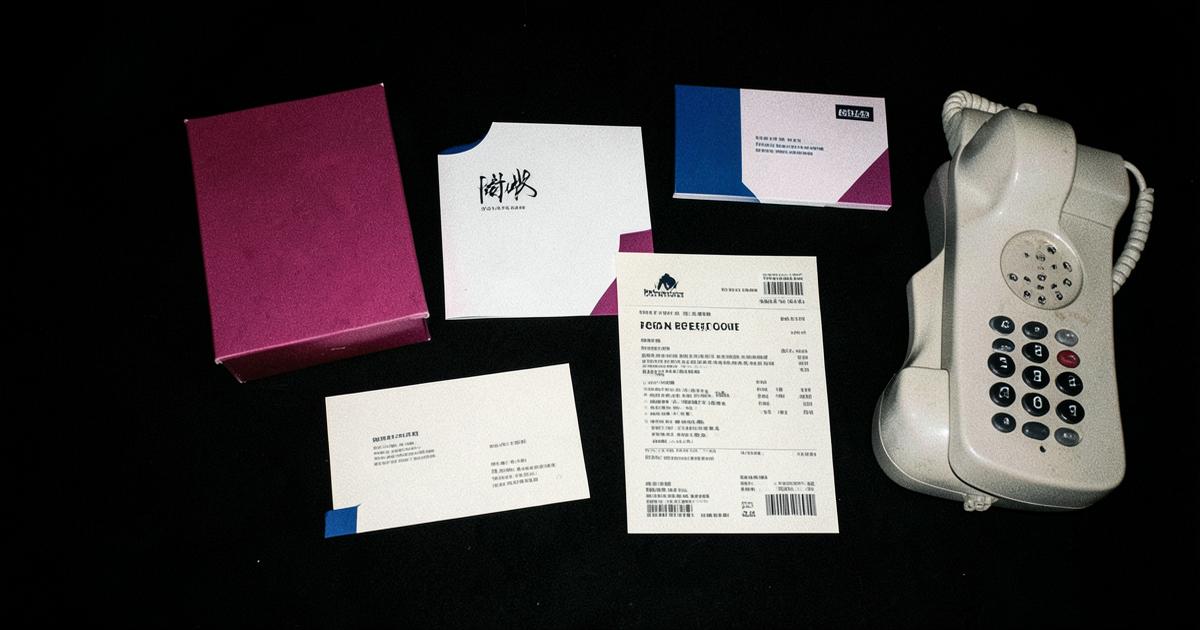
Collect the materials a customer encounters from discovery through follow-up. Put them side by side and look for contradictions in tone, quality, promises and next steps. Then ask a few customers and team members to describe the business in three words without giving them a list to choose from.
The gaps between what you intend, what you deliver and what people remember are the real brief. Fix the behavior first where necessary. Then build the identity that makes the strongest truth easier to recognize.